Jamie Stevens – EVP at Sony Pictures Consumer Products – on building the GOAT licensing programme with a sports-fan mindset
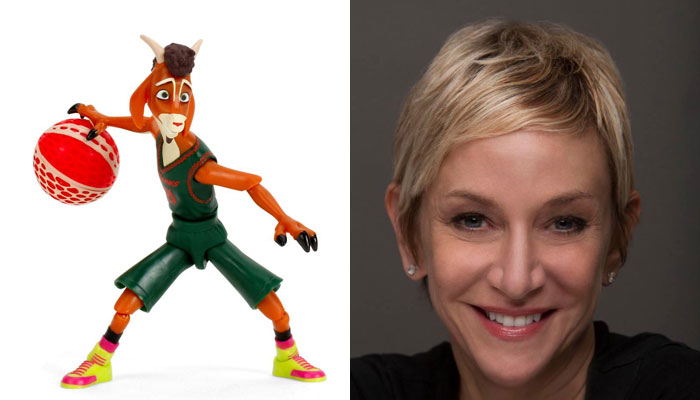
Jamie, it’s great to connect. To kick us off, what about GOAT made you confident and excited about its potential in consumer products?
GOAT is a unique opportunity at the intersection of sports culture and animated entertainment. From a licensing perspective, the bold, stylised animation lends itself to a lifestyle brand as much as it does storytelling – with natural connections across footwear and apparel, interactive gaming, toys, collectibles and publishing. To build momentum around the theatrical release and connect with audiences beyond the big screen, we expanded the world of GOAT through strategic partnerships, including books and activity formats with Penguin Random House and an exclusive NBA Bounce video game experience.
Can you give us a few examples that highlight how creative your licensees are being with this IP?
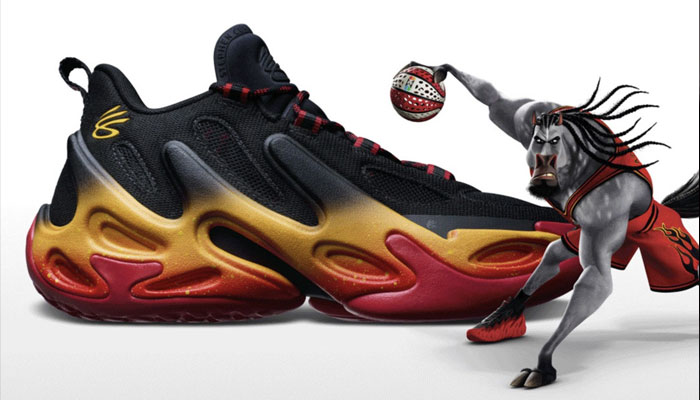
With every new property, our objective is to move beyond traditional merchandising to ensure that our licensees organically extend the film’s universe. The collaboration with Under Armour and the Curry Brand allows fans to integrate the film’s aesthetic into their daily lifestyle through apparel and footwear, with character-inspired colourways that bring sneakers seen in the film to life.
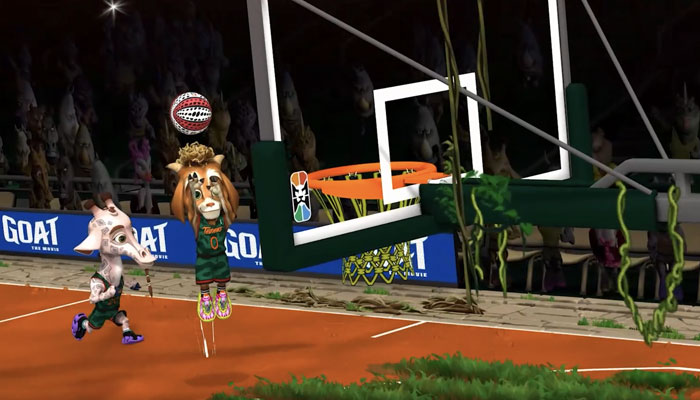
This commitment to authenticity continues through our work with Outright Games to integrate the GOAT IP into NBA Bounce. This integration not only incorporates eight new GOAT characters into the game but also features GOAT-inspired courts and new challenges that introduce the ethos of GOAT to the popular game. For this film, we prioritised a cohesive ecosystem that delivered value to fans across every category.
The movie introduces several teams and players, each with their own distinct attributes. How inspired were you by the world of sports licensing when it came to bringing these players and teams to life through licensing?
Stephen Curry’s involvement as a producer adds real credibility to GOAT’s sports-driven world, and it helped inform how we thought about licensing the film. We approached the program with a sports-fan mindset, leaning into the idea of teams, players, and identity, so fans can show affiliation the way they do with real leagues. By applying that thinking to the fictional roarball universe, we built a program that highlights distinct team and character identities across categories, from footwear and apparel to collectibles, publishing, and gaming – so fans can connect with GOAT beyond the screen.
The animation in this movie is incredibly stylish – how did you approach bringing this style to life in a category like toys?
Our goal was to translate that bold character design into product without losing what makes it feel so dynamic on screen. We focused on protecting the most recognisable elements, including distinct silhouettes, facial expressions, and key design details, so each character still feels instantly identifiable in toy form.
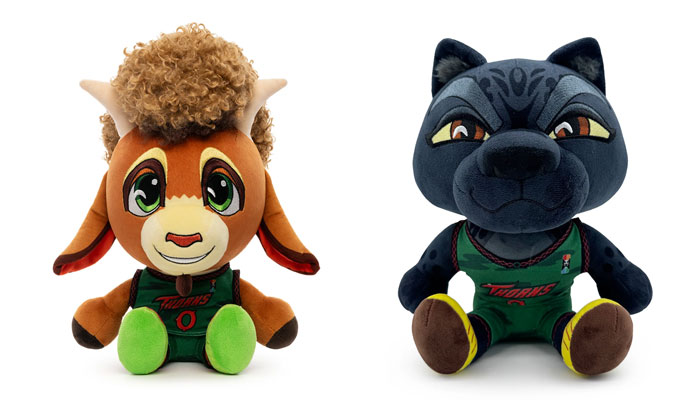
With our toy and collectibles partners, we leaned into companies known for strong character translation and stylisation, including Jada Toys who turned the characters of GOAT into screen-accurate plush and action figures, while Funko, and Youtooz Collectibles blended the uniqueness of GOAT into their own well-known collectible lines. Working closely with each team, we aligned on the core creative pillars from the film so the figures, collectibles and plush capture the same energy and personality fans will recognise, while still feeling premium as physical products.
Beyond GOAT, what other IP is keeping you busy at the moment?
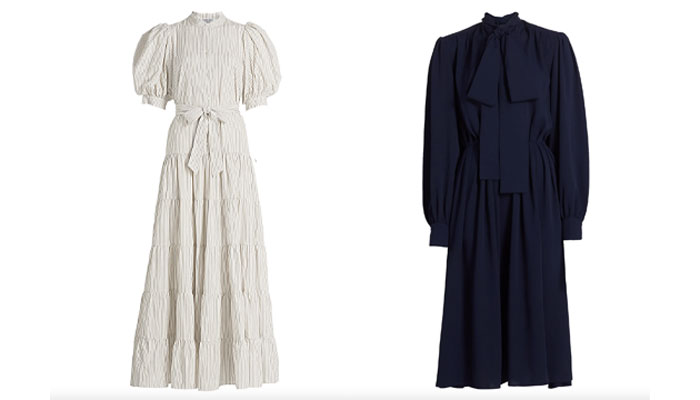
The team and I are also focused on the highly anticipated final seasons of iconic shows including Outlander and The Boys, which continue to be major franchises in the market as we build toward those season premieres. Our priority is strategic, fan-first product launches and collaborations that feel true to the series and create meaningful ways to engage with the brand beyond the screen… Such as the recently announced high-fashion collaboration between Outlander and Ronny Kobo that features designs inspired by the aesthetics and romance of the historical fiction series.
Absolutely. And what fuels your creativity? What helps you have ideas for where your brands could go?
I pay close attention to how fans already show up for a film or series, what they quote, collect, wear and share. Then I look for the natural gaps where the brand has not shown up yet and match the right partner to deliver something that feels true to that world, whether it’s a product you can wear, display, or interact with. It’s more than just the aesthetics of a property, but also about finding creative ways to express and celebrate the distinctive themes each brand offers through its licensed merchandise.
“Stephen Curry’s involvement as a producer adds real credibility to GOAT’s sports-driven world.”
And are you generally a fan of the films you’re working on? And does being a fan help in the role?
Being a fan helps because it keeps you focused on what the audience will care about, and it raises the bar on quality. The balance is staying objective – you use that passion to protect the brand, but you still make choices based on what will resonate broadly and work for partners and retail.
Last question! Which Sony Pictures brand do you feel still remains relatively untapped licensing-wise, but that you feel has potential be to unlocked?
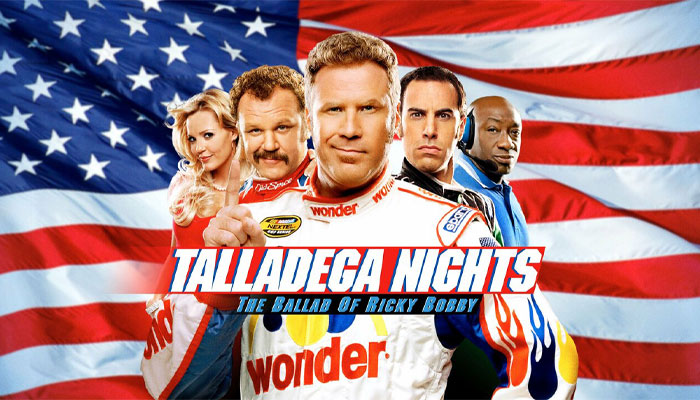
Sony has a deep library with real cultural staying power, and there are titles that could support more consumer products with the right modern approach. One example is Talladega Nights: The Ballad of Ricky Bobby, which has a lasting pop culture impact and is widely loved by audiences. This year the movie will be celebrating its 20-year anniversary, making it the perfect moment to expand the merchandising for the beloved comedy.
Great pick! Thanks again Jamie.
–
To stay in the loop with the latest news, interviews and features from the world of toy and game design, sign up to our weekly newsletter here
More Recent Interview


Inventor Mandela Fernández-Grandon on design, collaboration and the joy of playtesting
“Working with others offers a list of benefits…” In conversation with Mandela Fernández-Grandon.

Dina Al Rifai – Creative Director at The Loyal Subjects – on how being a collector shapes her approach to design
“I usually start with the emotional hook – what is this product supposed to make someone feel?” In conversation with The Loyal Subjects’ Dina Al Rifai.

“Play is evolving…”: Hasbro’s Tim Kilpin talks kids, Kidults and KPop Demon Hunters
Tim Kilpin, Hasbro’s President of Toys, Board Games, Licensing and Entertainment, on recent highlights – and things to get excited about.

Spin Master’s Angus Walker on bringing classic horror brands into TCGs with Hellbreak
“Faithfully representing these beloved characters was our design team’s top priority”: Angus Walker – VP, Marketing & GBU Lead, Games & Outdoor at Spin Master – talks Hellbreak.

As he retires, Make It Real’s Dominique Roy reflects on career highlights, mentors and lessons
“Even though you design something once, the injection machine will produce one unit every 30 seconds – that’s a serious responsibility”: In conversation with Dominique Roy.
Zatu Games’s Rory Kelly on Yubibo, demoing games and celebrating ten years in the industry
“If someone can explain a game in 30 seconds, I’ve done my job.” Catching up with Zatu’s Rory Kelly.
Popular Articles

Spirograph at 60: Meet Duncan Fisher, son of Denys Fisher – the inventor of Spirograph, Cyclex and Stickle Bricks!
Mini Brands Really Works Vinyl represents "major step forward for the brand", says Zuru
Zuru's Starbox collectibles brings together "elevated design, strong storytelling and trend-led play patterns"

Zuru readies NFL Ballers
Bop It’s Dan Klitsner on creative techniques, his favourite inventions and more
Upcoming Events
-
- 30th January 2026
- Spielwarenmesse, Nuremberg
International Game Inventors Convention
-

- 19th - 21st May 2026
- Mandalay Bay Convention Center, Las Vegas
Las Vegas Licensing Expo
-
- 23rd - 25th June 2026
- Stamford Bridge Stadium, Chelsea, London
Play Creators Festival
-
- Tuesday, June 23rd, 2026
- Stamford Bridge Stadium, Chelsea, London
Play Creators Awards
-
- Wednesday, June 24th, 2026
- Stamford Bridge Stadium, Chelsea, London
Play Creators Conference
-
- Thursday, June 25th, 2026
- Stamford Bridge Stadium, Chelsea, London
Mojo Pitch
-

- 6th - 8th October 2026
- Excel London
Brand Licensing Europe