From the Magic Bean to Happy Nappers: inventor Bill Ward on pitching, persistence and finding his path
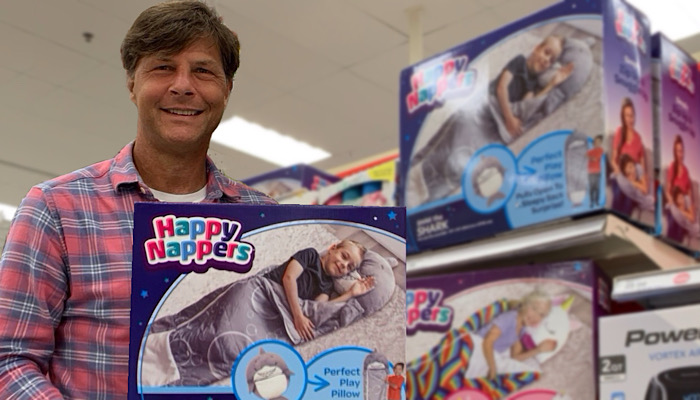
Thanks for joining me, Bill. You know, when a lot of people start out in this industry, they know it’s right for them… They know their path is heading towards toys. Not yours, though?
Oh, no; not mine! Mine is very circuitous and different. After college, I lived down in Quito, Ecuador, for a year and a half; worked in the rainforest. It was incredible. I had a great time travelling all over South America. When I came back to the States, I got this wild idea to start a restaurant down in Quito. I was mid-20s! I went down there, found a place to rent and went all in on it…
Amazing. Did it work out?
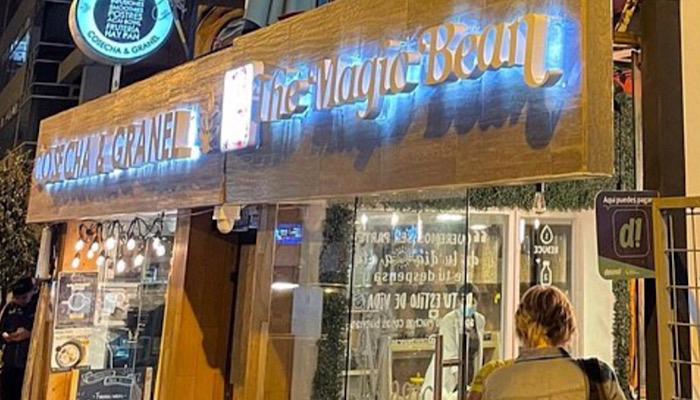
Yes! It was very successful. I sold it about seven years ago but it’s still going today; it’s called the Magic Bean. A friend suggested the name – we were gonna do a coffee house at the time, but we found this really large house in the area that we wanted to use… It used to be a brothel – that’s a whole big story… When I was setting things up, I was living on a mattress in that building. People would ring the doorbell and I’d have to tell them the brothel was gone.
Shame! You could’ve made a fortune!
Ha! Anyway, I had that restaurant for about five years, then I came back to the States… That’s when I started working with ideas. My father was a physician, but he was also as ideas man. He used to love coming up with solutions to everyday problems… So he instilled that in me early in my life. When I had a lot of free time, I started reading inventor magazines and the like. I think I read an article once that said how – if a mechanic is working on cars all day – they’re going to have a big edge on you… Toys isn’t like that, though, isn’t it? It’s just wide open – no boundaries.
So that got me interested in toys back in 2005 or so… I started off casually, starting to read the industry news and so on. At the time, the big companies would only take ideas from agents – so I found myself one. My goal was to get something through him. He would coach me along the way and teach me about what makes a good toy. In 2007, we finally got something over the line with Fisher-Price.
What was that? What was your first thing?
Well, we’re still pitching it, it’s available again now! Because it was priced at $49.99 which was pretty high price at the time… Back then a lot of retailers wouldn’t carry something new at that price. But it was it was a really cool toy. I’ve since worked with some engineers on it, and we’ve cut the cut the cost. So we made it more feasible. I’ll tell you all about it when it happens.
I suppose even that’s quite a good education, though? It shows how the business works – until it’s on the shelf, it’s not on the shelf! So what was the first one that reached shelves?
Well, along the way, I read an article about a crowdsourced invention company called Quirky. Every week, they had a community of inventors that would vote on the best idea that they saw on the site. If you were voted the winner, you’d get points and get paid a certain small percentage. It was a good setup. Anyway, I got this thing called the BroomGroomer licensed – I won the weekly vote and the product came out and did well.
Amazing. And since then you’ve had a real mix of stuff – games, plush, toys… What do you find yourself drawn to?
Doing everything has been part of the process! And I think constantly evaluating what I’m doing and reassessing and changing has been very important. When I was younger, I’d just invent what I was inspired with. These days, I focus much more on wish lists and what companies are looking for – I don’t think working without direction is the way to go at all. I’m a slow learner, but I’ve learned that because I’ve been persistent!
Persistent is a great word. Now, I’m interested in this because you’ve been to our event and I’m sure you go to others as well. What do you respect in an inventor relations person? What makes you want to show them product?
I’ve run into many great inventor relations people… They’re all genuinely nice people but the ones that always impress me are those that really know their brands and the parameters of what they’re looking for. They also give honest feedback right there and then – and their feedback is spot on for their brands.
I totally agree with you. And you mentioned being a slow learner… I’m curious: what is it that helped you find your way in the industry?
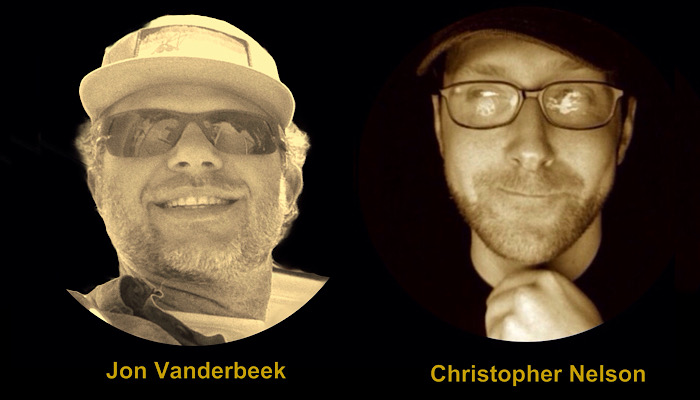
One thing that helped when I started out was just staying independent. I didn’t collaborate with other inventors. I’m something of an introvert and that’s the path I chose. Then, when COVID hit, I did reach out to another inventor, Chris Nelson. We started working together on games. It’s a learning process – when you talk to other inventors about their process and what’s working for them, it’s a huge boost to assessing and changing your own methods and making them better.
Pitching more was another way that I found my way. At a pitching event, you get direct feedback right away. You start to pick up on clues of what makes a great product. Walking into the halls of a toy fair and looking at what makes a great toy only gives you one perspective. Going with another inventor, gives you another… And pitching more often gives you more perspectives! It all helps accelerate the speed of development.
Wow. Is that something you still do now? Do you collaborate to this day in terms of other designs?
Absolutely. I’ve worked with some great inventors and learned a lot from them. I’m working with Jon Vanderbeek right now. That’s fantastic because I’m the concept guy… I come up with concepts – which is my strength, pure and simple! I usually then contract people to bring things to life. But I try to work on the core myself: something magical, something unique and different. That’s my focus.
What helps you have ideas, Bill?
There are different things. I’m a visual person, so when I go to a new city, I like to go to eccentric little museums or just feed my brain input. And if I’m looking at different shapes, for example, I sometimes see something different in that, and it inspires something. But I also think I’m good at looking at categories of toys and finding some white space that has potential when working on a wish list…
Sometimes, I like the process of working really hard on a single, focused goal – for maybe two or three days – just until my brain hurts! Then the key, for me, is to get out in nature, relax, daydream, and let ideas percolate up. I’m based in Charleston, South Carolina – it’s a peaceful, very quiet place… We have a lot of woods here and I have a tidal creek across the street so I can get out on the paddleboard, paddle around, go fishing.
It’s quite a change: running a restaurant as you did, then getting a lot of creative energy from being based in a quiet place. Is there any connective tissue there?
Well, I think the part that I was very good at with the restaurant was the creative part, which was setting it up, making it excellent for the customer, enjoyable. But they wouldn’t let me in the kitchen. Ha! That’s where I had to hire experts. I love creating things out of nothing. That’s the magic bean. I mean, that’s the name; that’s why I liked it so much. In terms of a connective tissue between that and inventing, certainly there’s the discipline…
As you must know, it takes a lot of discipline to be a successful inventor. And I think the passion and the staying power. You know, I talked to someone recently that was having a hard time with the rejection and the slow process and the key is just to keep on focusing on what you do well and carry things forward and if you focus on that part, it’s not beneficial at all.
Is there anything about your personality that you think helps with that?
I just have some drive to keep on going. And nothing’s ever stopped that. Nothing will ever stop that; it’s just part of my DNA, I think. I played a lot of sports when I was younger and I had it then. But if I get in my head about it, it can bring me down, yes. So all I can do is focus on the next idea, do the process better, focus harder, try to find out as much as possible about what companies are looking for, you know? Understanding these patterns of building a brand, not just a single item… Creating something that’s translatable in seconds; something the kids and retailers can just get. There are a lot of pieces, but if I focus on that, everything works.
That’s great! It sounds like you found a path that really works for you. To wrap things up, tell me about The Happy Napper…
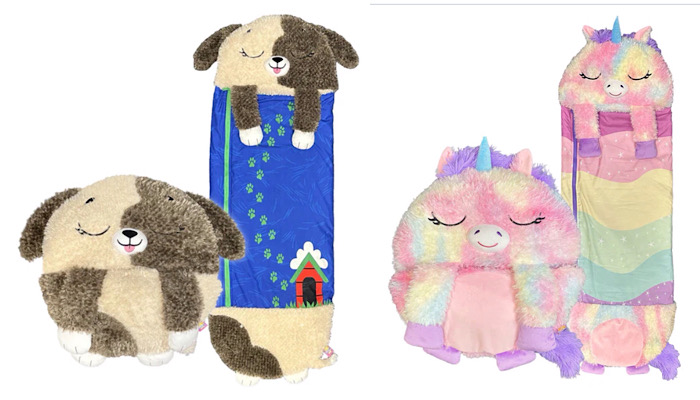
The Happy Napper is a pillow plush that transforms into a sleeping bag and has its own pillow and stuff sack. There’s a new series coming out; Series 4. If we go back to Series 1, it started then… I was about to go to Switzerland. My family goes every year. But I had this concept – one that came from my working on it for days until my head hurt… I was thinking about functional plush: that’s all I was focused on! But it finally hit me that I could come up with a sleeping bag or a pillow that transformed into a plush.
As it happens, I’ve been thinking and thinking and thinking on this right up to the day before the trip to Switzerland. Then we were out shopping for shoes at some sporting goods store, and I bought a pair of socks… Inspired, I cut up my daughter’s little plush toy, sewed a sock onto it…
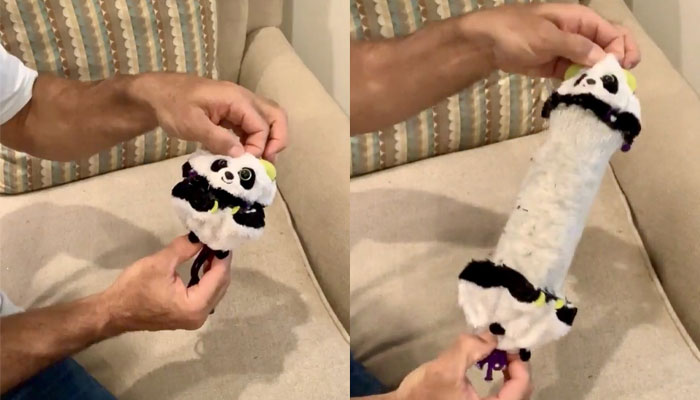
And that’s all I had to do! I showed it to Joe Sutton at Jay@Play – I had some renderings and he went forward with it. Since then, it’s sold well – there have been licensed versions of it; Care Bears, Sesame Street – quite a few.
And when you pitched that, did the sock make an appearance? How far down the development road did you go?
No, that was it! The sock did it! Ha! Actually, it was the drawings of more specifically what it would look like as a product. And they loved the transformation so it didn’t take much. The idea was there.
It’s a great product. And that must be exciting because you never know the longevity of these things… But it’s on its already on its fourth wave. That must feel great?
Oh, it’s fantastic. The first product launched the first week we locked down for COVID. And so you had a bunch of kids in front of Nickelodeon and the TV commercials were coming on and it hit hard. Very fun, very exciting. And they’ve since enhanced the comfort and security of what made the first one
successful and made it more kid-friendly, easier to carry, easier to roll up. It also has some weighted arms, which are offer more comfort.
Fantastic! It’s an amazing product and it deserves to be well. Amazing! Thanks again.
–
To stay in the loop with the latest news, interviews and features from the world of toy and game design, sign up to our weekly newsletter here
More Recent Interview


Gregory Benassar on Khadou, kidults – and why Pop Mart and B&M have more in common than you might think
“We are not here to push a lot of volume into the market and move onto the next thing”: In conversation with Gregory Benassar – CEO at Heathside and Co-Founder of Saga Alliance.

Inventor Mandela Fernández-Grandon on design, collaboration and the joy of playtesting
“Working with others offers a list of benefits…” In conversation with Mandela Fernández-Grandon.

Dina Al Rifai – Creative Director at The Loyal Subjects – on how being a collector shapes her approach to design
“I usually start with the emotional hook – what is this product supposed to make someone feel?” In conversation with The Loyal Subjects’ Dina Al Rifai.

“Play is evolving…”: Hasbro’s Tim Kilpin talks kids, Kidults and KPop Demon Hunters
Tim Kilpin, Hasbro’s President of Toys, Board Games, Licensing and Entertainment, on recent highlights – and things to get excited about.
Spin Master’s Angus Walker on bringing classic horror brands into TCGs with Hellbreak
“Faithfully representing these beloved characters was our design team’s top priority”: Angus Walker – VP, Marketing & GBU Lead, Games & Outdoor at Spin Master – talks Hellbreak.

As he retires, Make It Real’s Dominique Roy reflects on career highlights, mentors and lessons
“Even though you design something once, the injection machine will produce one unit every 30 seconds – that’s a serious responsibility”: In conversation with Dominique Roy.
Popular Articles
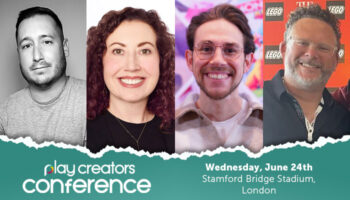
Hasbro's Dan Luther, Mattel's Tara McGrath, Seven Towns' Jacques Priestner and DesignbyTouch's Matt Gouveia to discuss The Future of Play at Play Creators Conference 2026
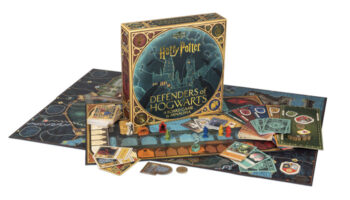
MinaLima readies Harry Potter board game, Defenders of Hogwarts
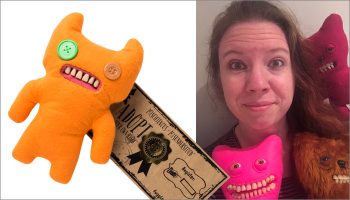
Fugglers creator Louise McGettrick on how an eBay listing for a bag of false teeth inspired her line of plush monsters

Ravensburger details 12th and 13th Disney Lorcana sets, Wilds Unknown and Attack of the Vine!
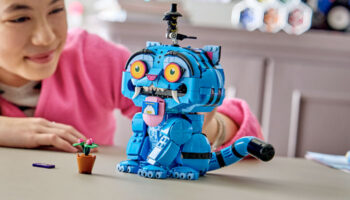
LEGO debuts first KPop Demon Hunters set
Upcoming Events
-
- 30th January 2026
- Spielwarenmesse, Nuremberg
International Game Inventors Convention
-

- 19th - 21st May 2026
- Mandalay Bay Convention Center, Las Vegas
Las Vegas Licensing Expo
-
- 23rd - 25th June 2026
- Stamford Bridge Stadium, Chelsea, London
Play Creators Festival
-

- Tuesday, June 23rd, 2026
- Stamford Bridge Stadium, Chelsea, London
Play Creators Awards
-
- Wednesday, June 24th, 2026
- Stamford Bridge Stadium, Chelsea, London
Play Creators Conference
-
- Thursday, June 25th, 2026
- Stamford Bridge Stadium, Chelsea, London
Mojo Pitch
-

- 6th - 8th October 2026
- Excel London
Brand Licensing Europe