Not All Fun and Games: In mental-health month, Deej Johnson looks at every human’s Psychological Basic Needs
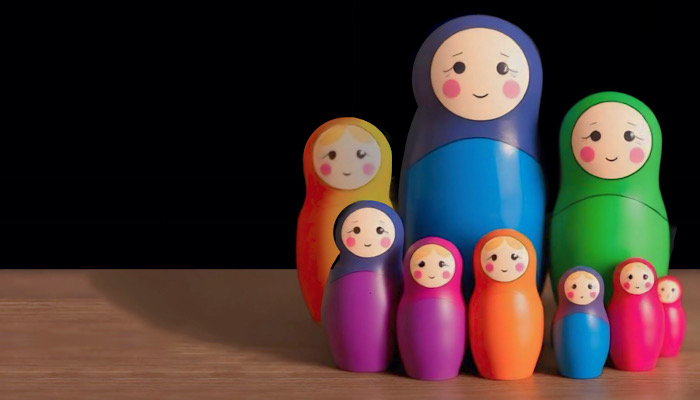
According to the mental-wellbeing approach ‘Human Givens’, developed by Ivan Tyrrell and Joe Griffin, your mind and body need just nine things to feel content… And we can each meet these needs using innate resources such as memory, imagination, emotional responses and the ability to form relationships…
When these needs aren’t regularly met in balance, however, we might begin to notice patterns of anxiety, low mood, addiction or relationship difficulties. Below – as part of mental health month – I briefly explain the nine needs. It’s worth noting that these needs are interdependent and non-hierarchical… Neglecting any of them can affect your wellbeing over time:
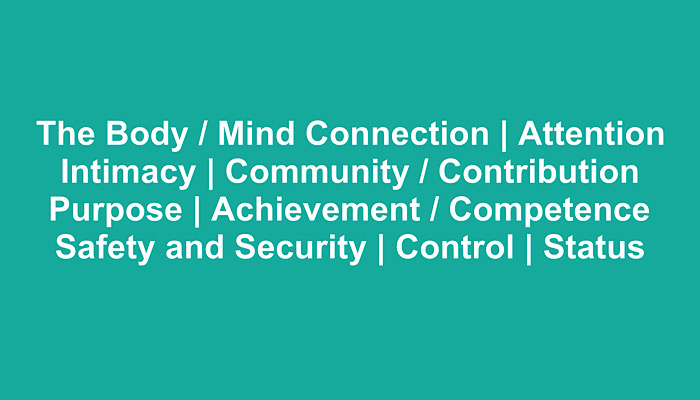
The Body / Mind Connection
We’ve all had the issue of a phone running out of battery! When it goes flat, we know its functions aren’t of any use. If you get it working in low-power mode, then SOME things work. Well, that’s more or less true of your mind and body. If you don’t eat, drink, relax, sleep, think or exercise well, then you won’t be able to function as fully.
Receiving and Giving Attention
Many of us tend to shun what we see as the wrong kind of attention. But studies show that long periods of isolation – time in which you neither give nor receive any kind of attention – could lead to loneliness or attention-seeking behaviours.
So what’s a healthy way to give and receive attention? You might be pleased to learn that it’s not through passive posting on social media! Rather, it’s by regularly catching up with people you like. Indeed, studies show that speaking to people you get on well with twice a week or more has a positive effect on your wellbeing.
Emotional Intimacy
This is slightly different from our need for Attention. Intimacy means having a person in your life, or a number of people, with whom you feel you can share your true self. With whom can you discuss your hopes? Your shortcomings? Your values? Your dreams and ideas? And what about your fears, suspicions and concerns? In other words, you can meet the need for intimacy with people that know the real you and – as the old joke goes – love you just the same!
Community and Contribution
In a world that may seem increasingly ‘me first’, it may surprise you to learn that you help your own psychological health when you act as part of a like-minded group. It’s worth noting that it doesn’t much matter what kind of community you’re part of, either. You could join a charity, church, support group, exercise class, litter-picking team – almost anything, really… Becoming an active part of just about any community can boost your mental health.
A Sense of Purpose
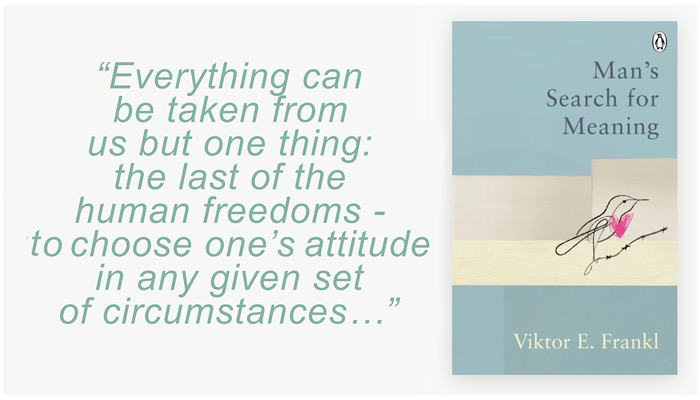
What gives your life a sense of meaning? Children? A partner? Achieving personal or professional goals? If you can find ways to bring meaning to everyday life, it helps build contentment. Now, while it’s a challenging book for some, I’d suggest people read Viktor Frankl’s Man’s Search for Meaning to learn more about this.
Achievement and Competence
As you may now realise, many of these Basic Needs feed into each other. For instance, your mental health is likely to be better when you set yourself a purposeful goal… But if the goal doesn’t challenge you, or stir your creativity, you may not get a full sense of satisfaction from achieving it.
To be clear, though, when I say creativity, I’m not suggesting you need to paint pictures or write plays. Rather, I’m talking about finding ways to stimulate your mind. Your life may be replete with chances to problem solve, design and create… But do those things fully let you learn, grow and exercise your mind?
Safety and Security
Often when someone can’t find the resources to meet this need, the cause is quite apparent: a risk to health, work, finances – or a relationship perhaps. Many of us are made weaker by worry around these issues as it can be difficult to keep them in perspective. Remember, though: your imagination could be part of the solution – or part of the problem!
I say that because when you use your imagination helpfully, it lets you think of solutions, develop ideas and find resources. When a person uses their imagination unhelpfully, however, it becomes part of the problem. You might choose to see worrying or ruminating as misuses of the imagination as they have potentially negative outcomes. I talk about this in two pieces about the cycle of depression, which you can read here and here.
Autonomy and Control
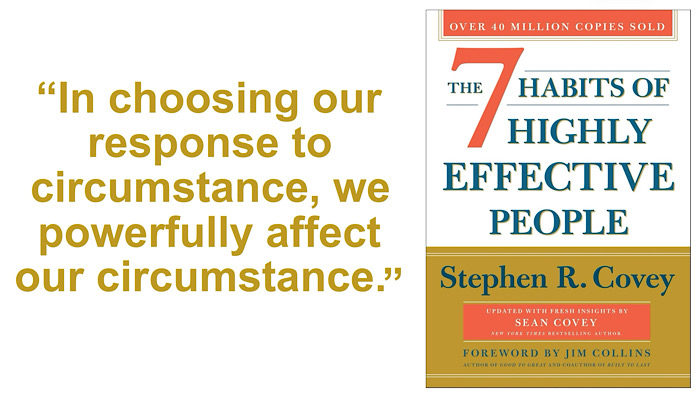
Closely related to the above need is the sense that you feel able to influence or change circumstances around you. This is vital as a perceived lack of control is strongly linked to stress and depression. If this resonates with you, you might want to read about the Circle of Concern and the Circle of Influence in Stephen R. Covey’s excellent book, The Seven Habits of Highly Effective People.
Status
As you move through life, you may find yourself playing many different roles: employee, partner, sibling, parent perhaps… These are obvious examples, but there are SO many! Friend, boss, mentor, horticultural-society member… Who knows?! And while some of these roles may not bring you much credit, others might help you feel a sense of status. When you feel valued and respected relative to others in your social world, you meet a subtle and easily overlooked need… One that – if unmet – leads to low self-esteem.
Take Stock of Your Needs
What do you imagine is the first difference you’ll notice when you find healthy ways to meet more of these Basic Needs? As you take a moment to reflect on them, so you may realise that you might be able to meet several of them through one activity. For example, if I go running with a friend once a week, it might meet the needs of Body/Mind and Attention…
If I chose to do these runs as training for a charity marathon, though, it might also help me meet other needs: Purpose, Achievement, Community and Contribution, for example. This is worth noting as problems tend to arise when one or two needs are consistently neglected. That’s why some people find it useful to routinely ask: “Which needs have I met well this week? And which have I neglected?”
Finally…
Want to know more? You can further learn about meeting Basic Needs in the excellent book Human Givens by Joe Griffin and Ivan Tyrrell.
——
Deej Johnson holds a diploma in Brief, Solution-Focused Hypnotherapy. Nevertheless, neither Deej nor Mojo Nation can accept responsibility for the consequences of any action or inaction based on the information presented in this article. If you have any doubts or concerns over medical and health issues, our best advice is to get professional help. In the US, call 988 Suicide and Crisis Lifeline on 988. In the UK, dial 999 in an emergency. Alternatively, call the Samaritans on 116 123, visit your GP or call NHS Direct on 111 to discuss your health.
–
To stay in the loop with the latest news, interviews and features from the world of toy and game design, sign up to our weekly newsletter here
More Recent Opinion


Not All Fun and Games: Deej Johnson explains how you can start to break the Cycle of Depression
What small steps can you take to start to get out of a period of low mood? Deej Johnson explains.

Not All Fun and Games: In mental-health month, Deej Johnson explains the Cycle of Depression
How does depression start? Deej Johnson on anxiety, sleep and Psychological Basic Needs.
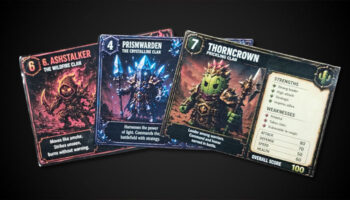
A Prickly Plan for Playground Popularity…
Sharp Sharp’s Steve McInerny looks at how three primary school children came up with a trading card craze at school.

Play-Doh at 70
Deej Johnson on the amazing origins of the world’s favourite compound.

From Creator to Checkout: SituAction’s Nic Jones on how social commerce is empowering the next generation of innovators
SituAction’s Nic Jones looks at how the next great toy success story could begin not with a pitch, but with a post.

Making Things Studio’s Fi Murray sheds light on how she tackles that all important sizzle video
Making Things Studio’s Fi Murray on why today’s sizzle reels need to do much more than dazzle…
Popular Articles
A Prickly Plan for Playground Popularity...

Educational Insights’ Lisa Guili on TikTok, 20 years of Kanoodle – and ten million units sold

Hasbro partners with Nintendo for Legend of Zelda toys
Not All Fun and Games: In mental-health month, Deej Johnson explains the Cycle of Depression

Bop It’s Dan Klitsner on creative techniques, his favourite inventions and more
Upcoming Events
-

- 30th January 2026
- Spielwarenmesse, Nuremberg
International Game Inventors Convention
-

- 19th - 21st May 2026
- Mandalay Bay Convention Center, Las Vegas
Las Vegas Licensing Expo
-

- 23rd - 25th June 2026
- Stamford Bridge Stadium, Chelsea, London
Play Creators Festival
-

- Tuesday, June 23rd, 2026
- Stamford Bridge Stadium, Chelsea, London
Play Creators Awards
-

- Wednesday, June 24th, 2026
- Stamford Bridge Stadium, Chelsea, London
Play Creators Conference
-

- Thursday, June 25th, 2026
- Stamford Bridge Stadium, Chelsea, London
Mojo Pitch
-

- 6th - 8th October 2026
- Excel London
Brand Licensing Europe